
When sports bets meet midnight snacks: recognizing cues and setting healthier boundaries
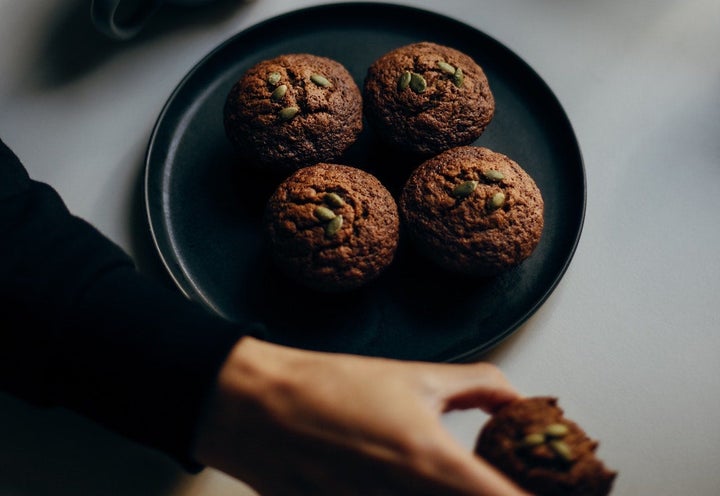
A late game changes the room. The TV glows, odds refresh, and a half-eaten bag of chips sits close enough to reach without looking. For some bettors, the same cue repeats: a missed shot, a cash-out button, then something salty or sweet. None of this means a person has failed. It means the brain has learned a pattern, and late hours make that pattern louder.
Search results can add noise after midnight, especially when a bettor is switching between score apps and the pantry. Bright banners, odds tables, and preview pages blur together. A page promising the very top online betting Australia For Australian players may sit beside match previews, injury news, and snack delivery ads, all competing for tired attention. A different tab might say play in polskie kasyno online play for real money, which shows how quickly betting language crosses borders. The healthier move starts with naming the cue before the tap or bite.
Spot the loop before it runs the night
The loop usually has three parts: cue, action, reward. A cue could be the final ten minutes of a close football match. The action is checking the market again, opening the fridge, or both. The reward is a small hit of relief, even if the bet loses or the food tastes flat.
Small clues count.
A bettor may notice the same hand movement every night: phone, packet, screen, packet. Another clue is speed. If a person cannot remember choosing the snack, the choice was probably made by habit. The aim is not shame. Shame just adds pressure, and pressure sends people back to the same chair at 12:40 a.m. with louder thoughts.
A simple note helps. One line is enough: “Liverpool equalizer, anxious, ordered wings.” After seven nights, patterns stop looking mysterious. They look like data.
Put friction between the trigger and the tap
Friction works because it buys a minute. A bettor who keeps betting apps logged out after 11 p.m. has to type a password instead of tapping twice. That pause matters. So does moving snacks out of arm’s reach, because a cupboard door creates a second decision.
Make the easy thing boring.
Some people set a £10 or $10 evening cap and place it before kickoff, then stop live markets. Others use bank card blocks, app limits, or a basic kitchen timer. The tool matters less than the timing. It should appear before the cue hits, not after a red card, a bad beat, and half a pizza.
Food boundaries should stay realistic. A planned bowl of popcorn at 9:30 p.m. beats a vague promise to “eat better.” Protein helps too, even something plain like Greek yogurt or eggs on toast, because hunger pretends to be betting tension.
Read hunger, stress, and odds as separate signals
A body sends messy messages after a long day. Hunger feels urgent. Stress feels urgent. A live price at 2.80 feels urgent too, especially after two losses and a coffee at 8 p.m. Mixing those signals leads to strange trades and stranger meals.
One label helps.
Before placing another bet, a person can rate three things on paper: hunger, emotion, bankroll. Use numbers, not essays. Hunger 8, anger 6, bankroll near the limit means the next move is food and sleep, not another corner market. Hunger 2, calm 3, bankroll healthy still does not demand action. It only means the decision is cleaner.
Caffeine deserves blame here. A late espresso keeps the mind sharp in the wrong way, alert enough to chase but tired enough to ignore rules. Alcohol does the opposite. It softens the line. Together, they turn one match into four tabs and a delivery order no one wanted twenty minutes earlier.
Plain water sounds dull. It works.
Make the room support the rule
Environment beats willpower at midnight. If the charger sits across the room, the phone is less tempting during extra time. If crisps are packed into single bowls before the match, the bag cannot become a scoreboard for stress.
Tiny changes matter.
A living room rule should be visible. A sticky note on the remote that says “pause before live bets” looks silly, but silly is fine if it interrupts autopilot. Some households keep a snack shelf for match nights: nuts, fruit, popcorn, dark chocolate squares. No moral drama. Just less chaos.
The same goes for money. Separate wallets, prepaid cards, and weekly limits make losses clearer. A bettor sees the stop sign sooner, before frustration starts writing excuses.
Build a reset that survives a bad result
Bad results test every boundary. A last-minute goal against the bet brings a hot flash of unfairness, and the kitchen suddenly looks like part of the response. The reset needs to be short enough to use while annoyed.
Ninety seconds is enough.
Stand up. Put both feet on the floor. Name the score, the stake, and the feeling out loud. Then choose one next action: close the app, make tea, brush teeth, or text a friend who knows the rule. If the person still wants to bet after ten minutes, the limit and the notes get checked first.
No grand speech.
A healthier night is rarely perfect. It is a chain of small interruptions. The next match can start with one written cue, one planned snack, and one firm stopping point before kickoff.