How to Store Biscuits Properly and Keep Them Fresh for Longer
Biscuits are easy to store, but they are also easy to spoil through small mistakes. A package left open for one night can lose its crisp texture, while soft biscuits may become dry when exposed to air. Strong smells, warmth and moisture can also affect flavour.
Different biscuits require different storage conditions. A thin cracker does not behave like a soft cookie, and a cream-filled biscuit needs more care than a plain shortbread. Understanding these differences helps preserve texture and prevents unnecessary food waste.
The most important principles are simple: protect biscuits from air, moisture, heat, light and strong odours. The right container and storage location can make a noticeable difference.
Why Biscuits Lose Their Freshness
Biscuits change after opening because they interact with the surrounding air. Crisp biscuits can absorb moisture and become soft. Soft biscuits can lose moisture and become hard or dry.
Fat is another important factor. Butter, vegetable oils and nuts can gradually develop unpleasant flavours when exposed to heat, light and oxygen. This process is known as oxidation.
Biscuits can also absorb odours from nearby food. Their structure and fat content make them particularly vulnerable to strong smells from spices, coffee, onions or scented household products.
The filling affects shelf life as well. Plain dry biscuits are usually more stable than products containing cream, fresh dairy ingredients or moist fruit.
Identify the Type of Biscuit
Before choosing a storage method, consider the biscuit’s texture and ingredients. The original packaging and manufacturer’s instructions should always be checked first.
Crisp biscuits include many butter biscuits, wafers, digestives and crackers. Their appeal depends on a dry, brittle texture, so protection from humidity is essential.
Soft biscuits and cookies contain more moisture. They need to be protected from drying out, but storing them with crisp biscuits can cause both products to lose their intended texture.
Filled biscuits may contain chocolate, jam, caramel or cream. Most packaged versions are designed for room-temperature storage before opening, but this should not be assumed.
Homemade biscuits often have a shorter shelf life because they do not use the same packaging or production methods as commercial products.
Keep Biscuits in an Airtight Container
An airtight container is usually the most effective way to preserve opened biscuits. It limits contact with humid air and reduces exposure to household odours.
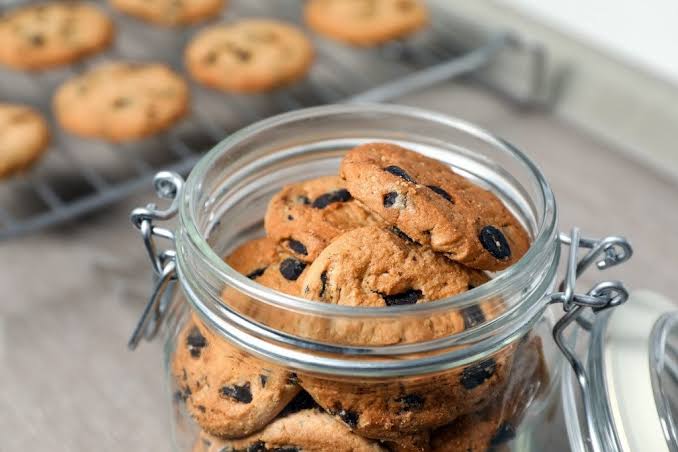
Metal tins, glass jars and food-grade plastic containers can all work well. The best choice has a secure lid and enough space to hold the biscuits without breaking them.
The container should be clean and completely dry before use. Even a small amount of moisture can soften crisp biscuits or encourage spoilage in products with moist ingredients.
Avoid using a very large container for a small number of biscuits. More empty space means more air remains inside each time the lid is closed.
If the original packet has an effective resealable closure, transferring the biscuits may not be necessary. Remove excess air and close the package carefully after each use.
Separate Crisp and Soft Biscuits
Different biscuit textures should not normally share the same container. Moisture moves from the softer product to the drier one until the environment becomes more balanced.
As a result, crisp biscuits may become soft while chewy biscuits become firmer. Neither will retain the texture intended by the producer or baker.
Strongly flavoured biscuits should also be separated. Ginger, mint, coffee or heavily spiced varieties may influence the flavour of plain butter biscuits.
Chocolate-coated products can be stored separately when temperatures are warm. This prevents melted chocolate from marking other biscuits and makes it easier to choose an appropriate location.
Dividers inside a decorative tin are not always enough because air still circulates between the sections. Individually wrapped products are less likely to affect each other.
Choose a Cool and Dry Storage Location
A kitchen cupboard is often suitable if it is away from the oven, kettle, dishwasher and direct sunlight. These areas can experience changes in temperature and humidity.
A stable environment is better than a location that becomes hot during cooking and cool again afterwards. Repeated changes can affect chocolate coatings, fillings and texture.
Do not store biscuits directly above a cooker or beside a window. Even when the container feels closed, heat can accelerate changes in fats and flavours.
A pantry can be ideal if it is clean, dry and free from pests. Products should be kept above floor level and away from cleaning supplies or strongly scented items.
In humid weather, biscuits may soften more quickly. Closing the container immediately after serving becomes particularly important.
Should Biscuits Be Kept in the Refrigerator?
Most plain packaged biscuits do not need refrigeration. A refrigerator is humid and contains many food odours, so it can make biscuits soft or affect their flavour.
Chocolate-covered biscuits may benefit from a cooler environment during very hot weather, but refrigeration should be used carefully. Place them in a well-sealed container and allow the closed container to approach room temperature before opening it. This reduces the risk of condensation forming directly on the biscuits.
Biscuits made with perishable cream, fresh cheese or other refrigerated ingredients must be stored according to the recipe or package instructions. Food safety is more important than preserving a perfectly crisp texture.
If there is any uncertainty about a filling, check the label rather than judging only by appearance.
Can Biscuits Be Frozen?
Many plain and homemade biscuits freeze well. Freezing can be useful when a large batch will not be eaten within a reasonable period.
Allow homemade biscuits to cool completely before freezing. Warm biscuits create condensation, which can damage texture and encourage them to stick together.
Place the biscuits in a freezer-safe container or bag. Layers can be separated with baking paper to reduce breakage and sticking.
Remove as much excess air as practical and label the container with the date and biscuit type. This prevents forgotten packages from remaining in the freezer indefinitely.
Thaw biscuits while they are still protected by their packaging. Opening the container too early can allow moisture to condense on the surface. Some crisp biscuits may benefit from a few minutes in a low oven after thawing, provided the recipe allows it.
Filled or decorated biscuits may not freeze as successfully. Jam can become sticky, icing may crack and cream-based fillings can change texture.
Keep the Original Best-Before Information
When biscuits are moved to another container, the original date and storage instructions are often discarded. This makes it difficult to remember how old the product is.
Cut out the relevant part of the package or write the information on a small label. Include the product name if several similar biscuits are stored at home.
A best-before date usually refers to quality rather than an immediate safety deadline. Properly stored dry biscuits may remain acceptable after this date, but they should be checked for changes in smell, taste and appearance.
Use-by dates are different and should be followed for perishable products. Biscuits rarely carry them unless they contain ingredients requiring stricter controls.
Rotating supplies helps prevent waste. Place older packages at the front of the cupboard and use them before opening newer ones.
Serving Biscuits Without Exposing the Whole Package
Repeatedly opening a container introduces fresh air and humidity. If biscuits are being served to several people, transfer a reasonable amount to a plate and close the main container.
More biscuits can always be added if required. This is better than leaving a full tin open throughout an afternoon.
Use clean, dry hands or utensils. Crumbs and traces of other food can contaminate the container or introduce moisture.
Any biscuits that have been left beside wet food, fruit or drinks for a long period should be assessed before returning them to storage. It may be better to keep them separately and eat them soon.
Buying Biscuits Online
Online shopping can provide access to biscuit varieties that are not commonly stocked in local supermarkets. This includes European butter biscuits, wafers, filled cookies and regional specialities.
When buying Fresh biscuits, check what the description means. It may refer to recently produced packaged goods, short shelf-life bakery products or biscuits marketed for their crisp texture. The phrase alone does not explain how the item should be stored.
Review the ingredients, package size and best-before information where available. Delivery packaging is also important for fragile wafers and delicate butter biscuits.
EuropaFoodXB offers a range of European grocery products for delivery in the UK, including biscuits and sweet snacks from familiar continental brands. A specialist store of this kind can be useful when a particular variety is difficult to find locally. Once delivered, the biscuits should still be stored according to the package instructions, especially after the packet has been opened.
How to Restore the Texture of Softened Biscuits
A biscuit that has absorbed humidity is not always ruined. Some plain crisp biscuits can be refreshed briefly in a low oven.
Place them on a baking tray and warm them gently for a few minutes. The aim is to remove absorbed moisture, not to bake them again. Watch carefully because sugar and thin edges can burn quickly.
Allow the biscuits to cool completely before placing them in an airtight container. They may not return perfectly to their original condition, but their texture can improve.
Do not use this method for cream-filled, iced or chocolate-coated biscuits unless the product is clearly suitable for heating.
A stale or unpleasant smell cannot be repaired. Biscuits with signs of mould, contamination or rancid fat should be discarded.
Storing Homemade Biscuits
Homemade biscuits must be completely cool before storage. If they are placed in a container while warm, trapped steam can make them soft.
Simple dry biscuits can usually be stored at room temperature in an airtight container. Soft cookies should be kept separately and eaten within the period recommended by the recipe.
Decorated biscuits require additional care. Icing must be fully set before the biscuits are stacked. Baking paper between layers can protect designs and prevent sticking.
Homemade biscuits containing fresh cream, cream cheese or other perishable fillings may require refrigeration. Follow a reliable recipe’s safety guidance rather than treating them like ordinary dry biscuits.
Label containers when preparing several varieties. This is particularly useful when biscuits contain allergens or look similar despite having different ingredients.
Recognising When Biscuits Should Not Be Eaten
Texture changes do not always make biscuits unsafe. A soft cracker or dry cookie may simply have lost quality.
Other signs require more caution. Visible mould, unusual spots, pest damage or a sour smell indicate that the product should be discarded.
Rancid fats can produce a stale, paint-like or bitter aroma. Biscuits containing nuts and large amounts of butter may be more vulnerable if stored in warm conditions.
Filled biscuits should be checked carefully if the package was damaged or stored incorrectly. When there is uncertainty about food safety, it is better not to taste the product as a test.
Reducing Biscuit Waste
Good storage begins with buying realistic quantities. Multipacks may offer a lower unit price, but they are poor value if part of the product becomes stale.
Choose individually wrapped portions only when they provide a practical benefit, as they create more packaging waste. A properly sealed household container may offer enough protection for frequently eaten biscuits.
Broken biscuits do not need to be discarded. They can be used as a topping for yogurt, ice cream or fruit. Crumbs can form the base of a cheesecake or be incorporated into other desserts.
Slightly stale plain biscuits may also work in recipes where they will absorb liquid. Their suitability depends on flavour and condition, so they should still be checked first.
Conclusion
Keeping biscuits fresh is mainly a matter of controlling air, moisture, heat and odours. An airtight container in a cool, dry cupboard is appropriate for most plain varieties.
Crisp and soft biscuits should be separated, while products with perishable fillings must follow their specific storage instructions. Refrigeration and freezing can be useful in certain situations, but they are not necessary for every biscuit.
Keeping date information, opening only what is needed and buying sensible quantities can reduce waste. With a few simple habits, biscuits can retain their intended flavour and texture for much longer.